.avif)

A launch strategy is a deliberate, end-to-end plan for introducing and selling a new product— especially when demand is expected to exceed supply.
In 2026, it's not just about selling out inventory. It’s about:
- Protecting the fan experience
- Managing demand intelligently
- Blocking bots and bad actors
- Capturing actionable audience data
- Turning a moment into long-term growth
For brands operating in sneakers, streetwear, collectibles, trading cards, and limited editions, a launch isn’t just a transaction. It’s a brand moment, and it needs to be treated as such.
Platforms like EQL have helped redefine what a modern launch strategy looks like, shifting launches from chaotic traffic spikes to structured, fair, data-rich experiences with lasting impacts.
In this blog, we'll break down the phases of how to build a great strategy; however, if you want a deeper dive into creating a comprehensive plan for your brand, we recommend checking out our Ultimate Launch Guide.
What Is a Launch Strategy?
A launch strategy is the structured approach a brand takes to plan, promote, execute, and optimize the release of a product. To create an effective management plan, you should include clear objectives, target audience definition, key messaging, timelines, roles and responsibilities, marketing channels, budget allocation, performance metrics, and contingency planning.
Unlike standard ecommerce releases, a launch strategy assumes:
- Demand may significantly exceed supply
- Bots and resellers may attempt to manipulate the release
- The experience will impact long-term brand loyalty
- The event is an opportunity to gather meaningful audience data
In other words, a launch strategy treats the release as a lifecycle — not just a checkout moment.
The Four Stages of a Modern Launch Strategy
1. Pre-Launch: Build Anticipation & Structure Demand
The strongest launches start long before the product becomes available — or fans have even heard about it. But the behind-the-scenes work that goes into this phase sets the parameters for the product’s success and defines what type of impact the launch can achieve.
What Happens Here:
- Storytelling and product positioning
- Audience segmentation
- Access strategy decisions
- Technical infrastructure planning
- “Notify me” functionality
How EQL Supports This Stage
Configuration Flexibility
Brands can choose from multiple launch types to tailor results to their goals — such as rewarding loyalty, enhancing brand reputation, local activation, etc. A comprehensive plan prioritizing strategic outcomes informs whether you should opt for an open draw, exclusive access experience, or reserved purchase release.
Access Controls & Eligibility Rules
EQL allows brands to define:
- Geographic restrictions
- Customer eligibility criteria
- Loyalty-based access
- Unique codes or gated entry
This allows brands to shape demand intentionally instead of reacting to it.
Shopify Integration
For brands running on Shopify, EQL’s Shopify app integrates directly into existing storefronts — meaning you can get all the tools you need without rebuilding your tech stack.
Planning becomes strategic instead of stressful.
Tiffany & Co x Nike’s Pre-Launch Plan
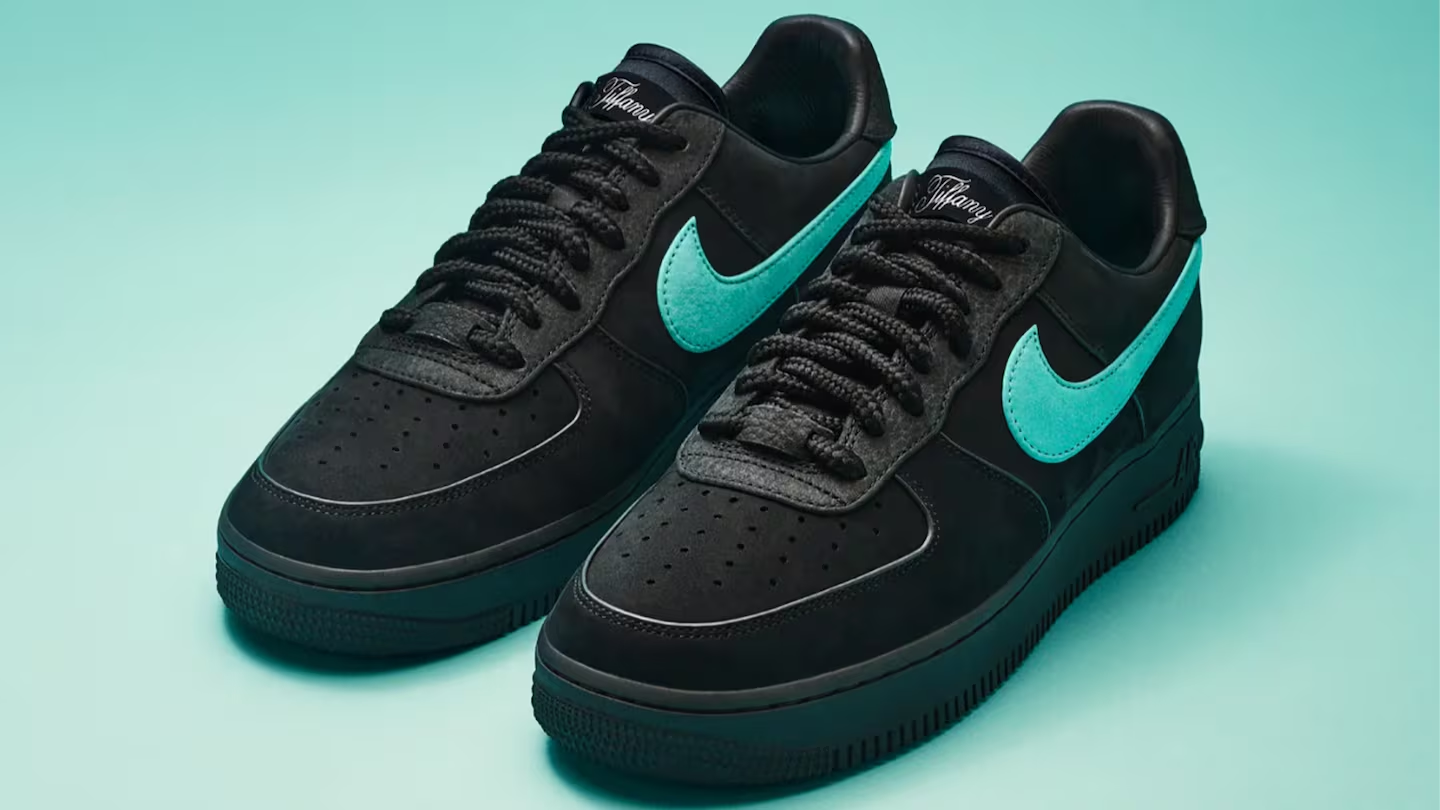
For Tiffany & Co x Nike’s Air Force 1 sneaker release, the pre-launch plan did not have to prioritize generating demand — that was a given for an instantly iconic collab between two beloved brands. The more complex piece was how to manage the heat the release would generate. Using EQL, they planned a hybrid experience in which fans could enter online and pick up the shoes at a curated in-store event, resulting in a chaos-free customer experience that mirrored the refinement and luxury the brands are known for.
2. Promotion: Drive Demand Without Creating Chaos
A strong strategy builds excitement — but without a plan for managing traffic and fairly allocating product, all that promotion can just result in crashed sites and frustrated customers.
What Happens Here:
- Social teasers
- Influencer marketing
- Email campaigns
- Influencer amplification
- Countdown messaging
- Access reminders
How EQL Supports This Stage
Demand Capture Without Checkout Rushes
Instead of forcing everyone to fight for a checkout button at 10:00 AM, EQL allows fans to enter within a defined window, following best practices.
This reduces:
- Site crashes
- Payment failures
- Rage refresh behavior
Scalable Infrastructure
EQL’s infrastructure is purpose-built for high-demand traffic spikes — so brands can confidently drive attention without fearing technical breakdowns. Conducting a SWOT analysis can help you understand potential vulnerabilities better.
You can market aggressively because the system is designed to handle it.
How Trophy Room Handled the Heat
Trophy Room, Marcus Jordan’s Orlando retailer, leaned hard into storytelling and promotion for their 2024 Air Jordan 1 Low “Rookie Card - Away” release, fueling anticipation via a podcast teaser, a cinema-quality promo video, and a multi-channel press campaign. The result? Entries exceeded available inventory by a record-setting 26 times, but the EQL-powered experience kept things fair and seamless.
3. Launch Execution: Deliver a Fair, Controlled Experience
Traditional “first-come, first-served” drops often result in:
- Bot takeovers
- Instant sell-outs
- Frustrated fans
- Damaged brand trust
The more brands succeed on the first two phases, the more it matters to get this part right. Building anticipation and shining the spotlight on your brand through strong promotional efforts will leave fans feeling manipulated and let down if they find themselves up against an impossible purchasing experience.
Leaving things to chance with frustrating and easily manipulated first-come-first-serve launch mechanics isn’t an option when the stakes are this high.
How EQL Powers Launch Day
Advanced Bot Protection
EQL uses layered bot detection systems to filter bad actors and ensure that real fans win.
Randomized Selection Mechanics (Draws)
Rather than rewarding the fastest browser refresh, launches can be structured around fair draws — giving everyone an equal chance within the entry window.
Hybrid Activations
Using EQL tools like geofenced entry access and customizable fulfillment options, brands can craft launch moments around in-person experiences and events, offering more control over the fan experience and allowing for richer engagement opportunities.
This transforms launch day from chaos into control.
Joe Freshgoods’ Custom Experience
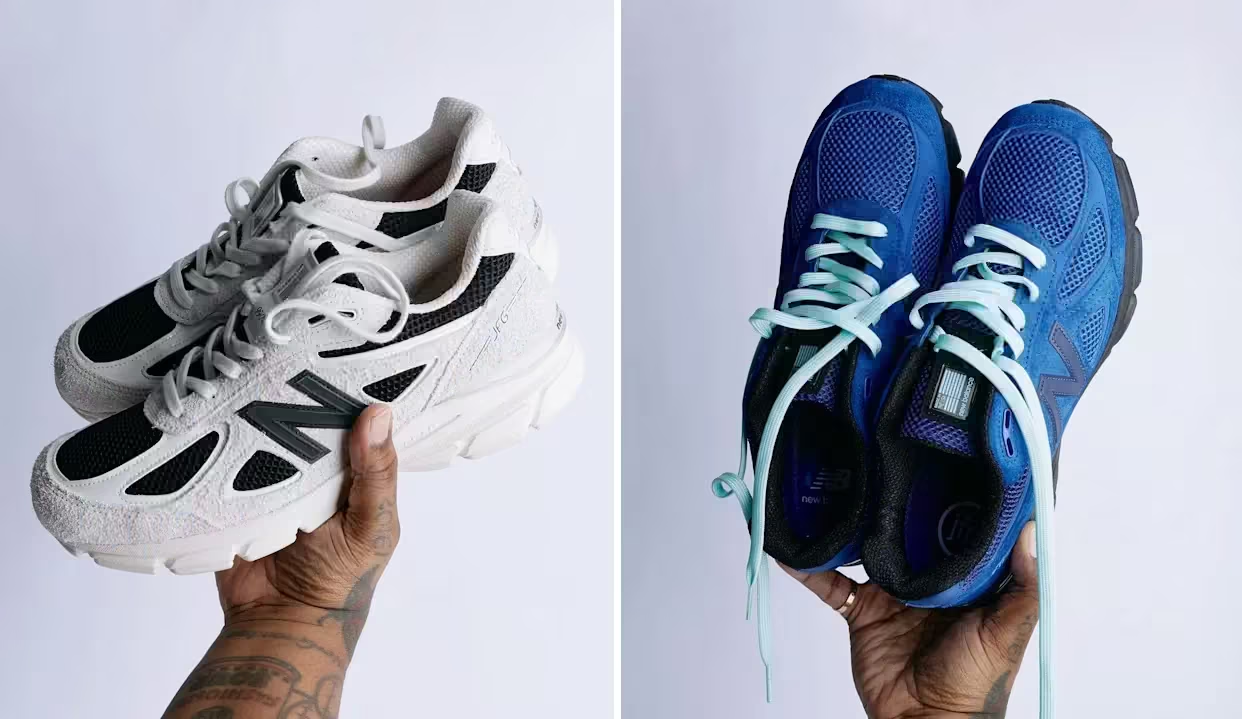
For Joe Freshgoods’ 2023 New Balance collab, the collaborator set out to make the launch itself as memorable as the shoes. While two pairs were released worldwide, one coveted colorway was reserved for local Chicago fans as a nod to old-school sneaker culture. Thanks to well-planned launch mechanics, the right tech, and strategic communication, the release was applauded by fans — even the non-locals who missed out respected the game, and the launch earned a 9.8/10 sentiment score.
4. Post-Launch: Turn Data Into Growth
Here’s where most brands leave value on the table.
A launch doesn’t end when inventory is allocated. Its impact continues on via the treasure trove of data generated, powering strategic decision making for years to come.That includes:
- Entrant data
- Geographic demand signals
- Product-level interest metrics
- Loyalty insights
- Win/loss participation data
How EQL Extends Value Beyond Sell-Out
Demand Analytics
EQL provides visibility into total entries, regional demand, and participation trends — helping brands understand not just who bought, but who wanted to.
This informs:
- Future allocation planning
- Reorder decisions
- Market expansion
- Collaboration strategy
- Fan engagement opportunities
Win or lose, fans remain engaged within a structured experience, allowing brands to continue communication post-launch while ensuring customer satisfaction.
Incremental Revenue Increases
Through EQL, brands can capitalize on the heightened fan engagement around a launch, driving additional incremental revenue through post-entry CTAs, add-on offers, and post-launch marketing across all communication channels to drive strategic goals, resulting in revenue increases that exceed inventory sell-through.
Crocs’ Data Deep Dive
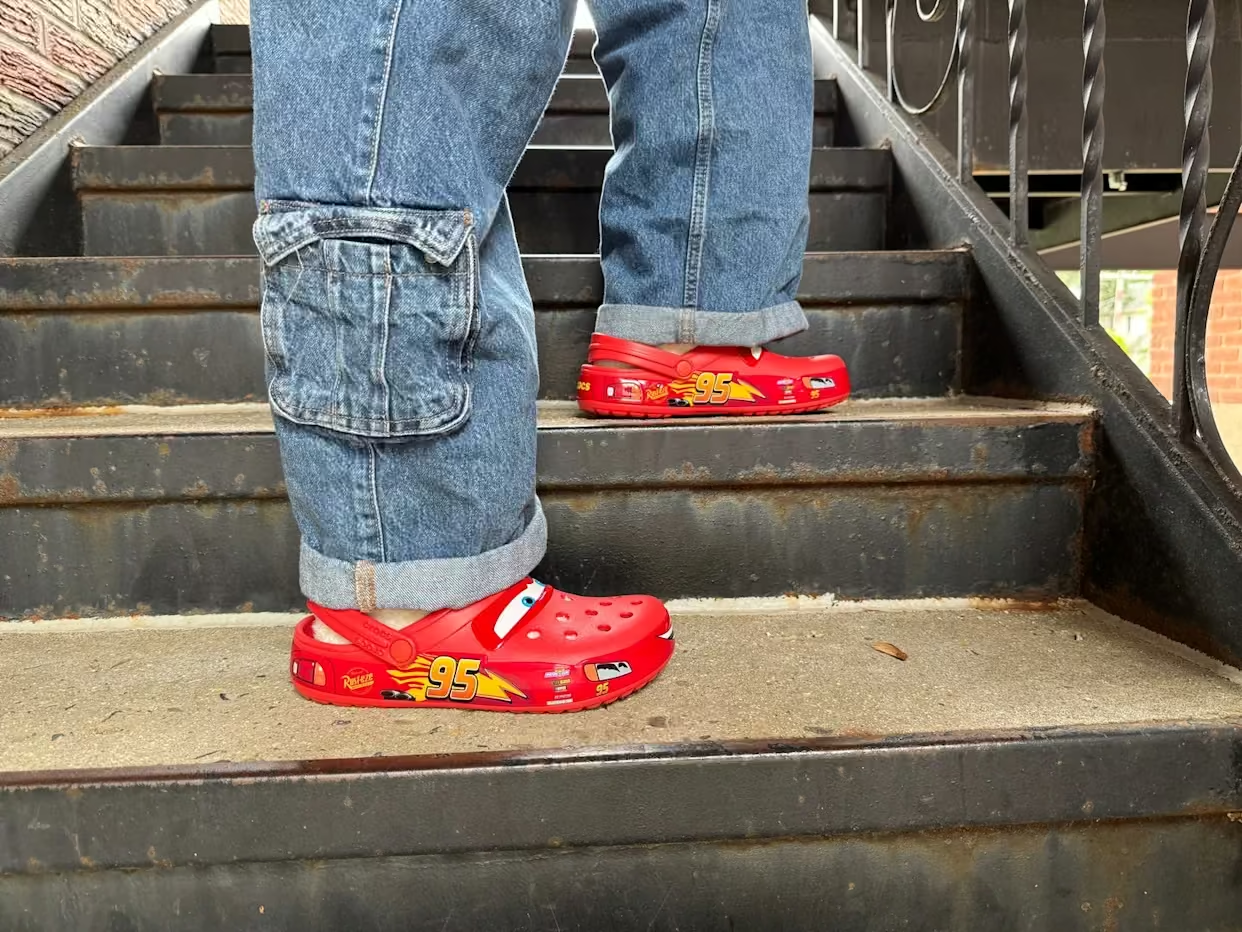
Without strong demand data, brands tend to err on the side of caution when it comes to production choices. But when Crocs launched their limited Lightning McQueen edition in 2021, they learned through post-launch data that demand had massively outpaced their forecasting. This information allowed them to confidently plan another production run, and with granular size demand data, they were able to nail down planning with an unprecedented level of precision, guiding their continuous improvement efforts.
Why strategy matters more than ever (and no, it's not just knowing how to run a drop)
Consumer expectations have changed. Fans expect:
- Fair access
- Transparent processes
- Reliable infrastructure
- Respect for their time
And brands face:
- Increasing bot sophistication
- Higher traffic volatility
- Greater scrutiny on fairness
A strong strategy protects brand equity. For example, effective brand launch strategies may include implementing digital queues to ensure fair access, using verified fan programs to limit bots, and communicating transparently about infrastructure and process changes. These approaches help build trust and deliver a valuable experience for both customers and brands.
Launch Strategy vs. Standard Ecommerce

Who Needs a Launch Strategy?
If you sell the following products:
- Limited-edition sneakers
- Streetwear capsules
- Trading cards
- Collectibles
- Collaboration products
- Loyalty-exclusive items
You need a launch strategy.
And not just a marketing plan — a technical, operational, and fan-first framework that supports it.
Final Takeaway: A launch strategy is more than a drop strategy
When structured correctly — and powered by purpose-built technology — your most in-demand products stop being operational risks and start becoming strategic advantages, which is crucial for a successful product launch strategy.
It’s about:
- Controlling demand
- Protecting fairness
- Scaling infrastructure
- Capturing actionable data
- Strengthening community
In today’s market, a launch isn’t just a moment.
It’s a channel.
A drop is a moment. A launch is momentum.
And the brands that treat it that way win long after inventory runs out.
Want to chat with us about your own launch strategy? Get in touch.




%2520(1).avif)